















KNAUF THIRD HAND PLASTER WITH FIBERS 25KG
25kg
PROPERTIESReady to useExcellent adhesionReduction of surface absorbencyExcellent mechanical strength APPLICATIONSSanding finish for indoor / outdoor use.to paleto exi 60
Form: cement-based mortar.Benefits: high adhesion and excellent mechanical strength.Applications: Suitable for application on substrates such as conventional cement renderings.Consumption: 5-6kg/ m² depending on surface.Mixing: 25kg 3rd hand plaster with approximately 7-8lt of water.
Form: Cement-based mortar.Benefits: Easily homogenized without lumping, easy application, excellent adhesion, smooth finish, does not shrink.Applications: As a finishing coat on plastered surfaces, cement & gypsum boards, Fair Face beton and on painted surfaces (sandpaper the surface before or primed)Consumption: 1.3-1.5kg / m²/ mm depending on use/surface.Mixing with water: 25kg Flashelastic with approximately 10-11lt water.
Reinforced cement spatula for indoor / outdoor use.Complies with European Standards CE MARKING CYS EN 998-1.PROPERTIESReady to useIt is easily homogenized, without lumpsEasy applicationExcellent adhesionIt is easily rubbedSmooth and smooth surface, ready to accept any kind of decorationIt does not shrink APPLICATIONS Suitable for final finishing on fair-face concrete surfaces, plasterboards, indoor and outdoor cement boards, painted or not.
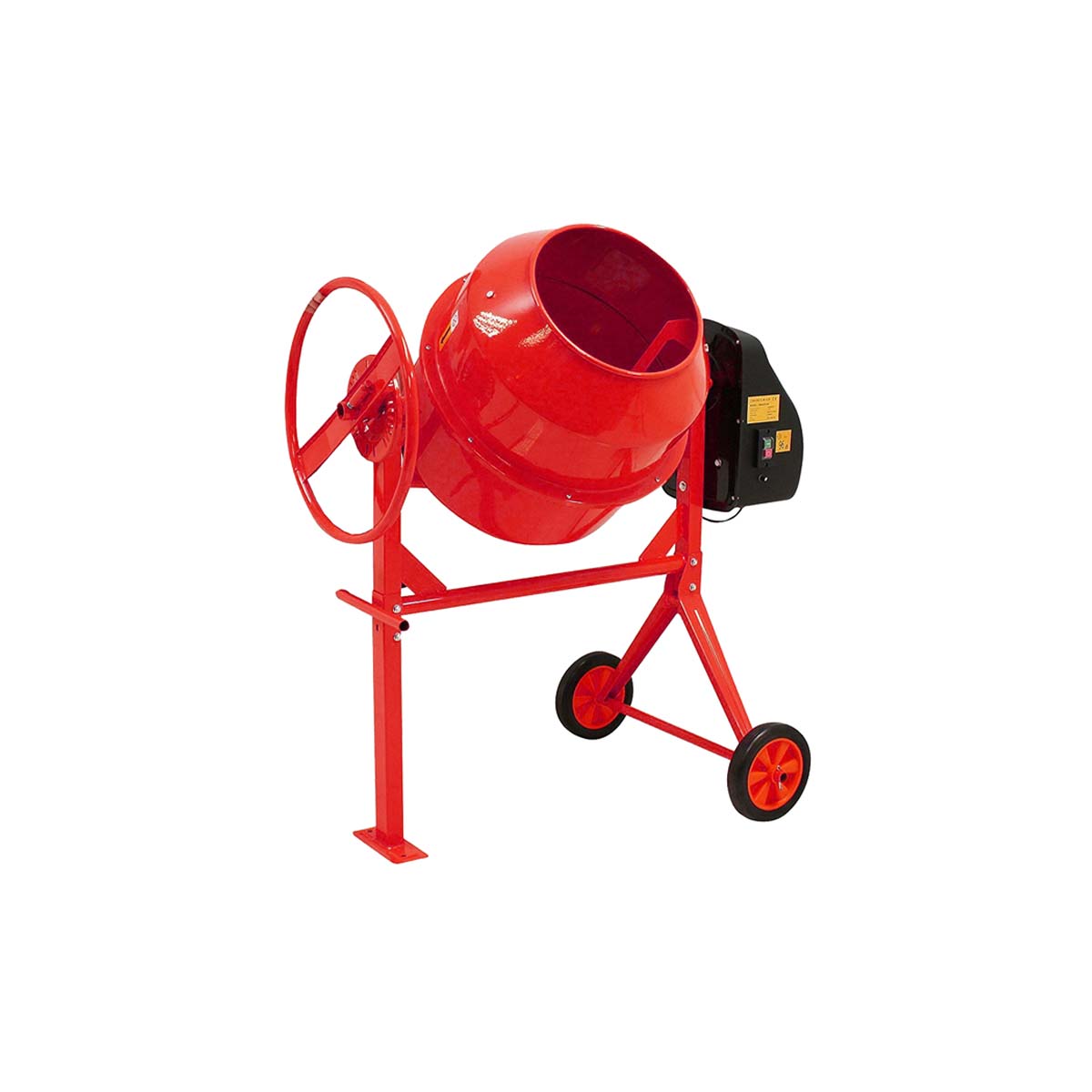
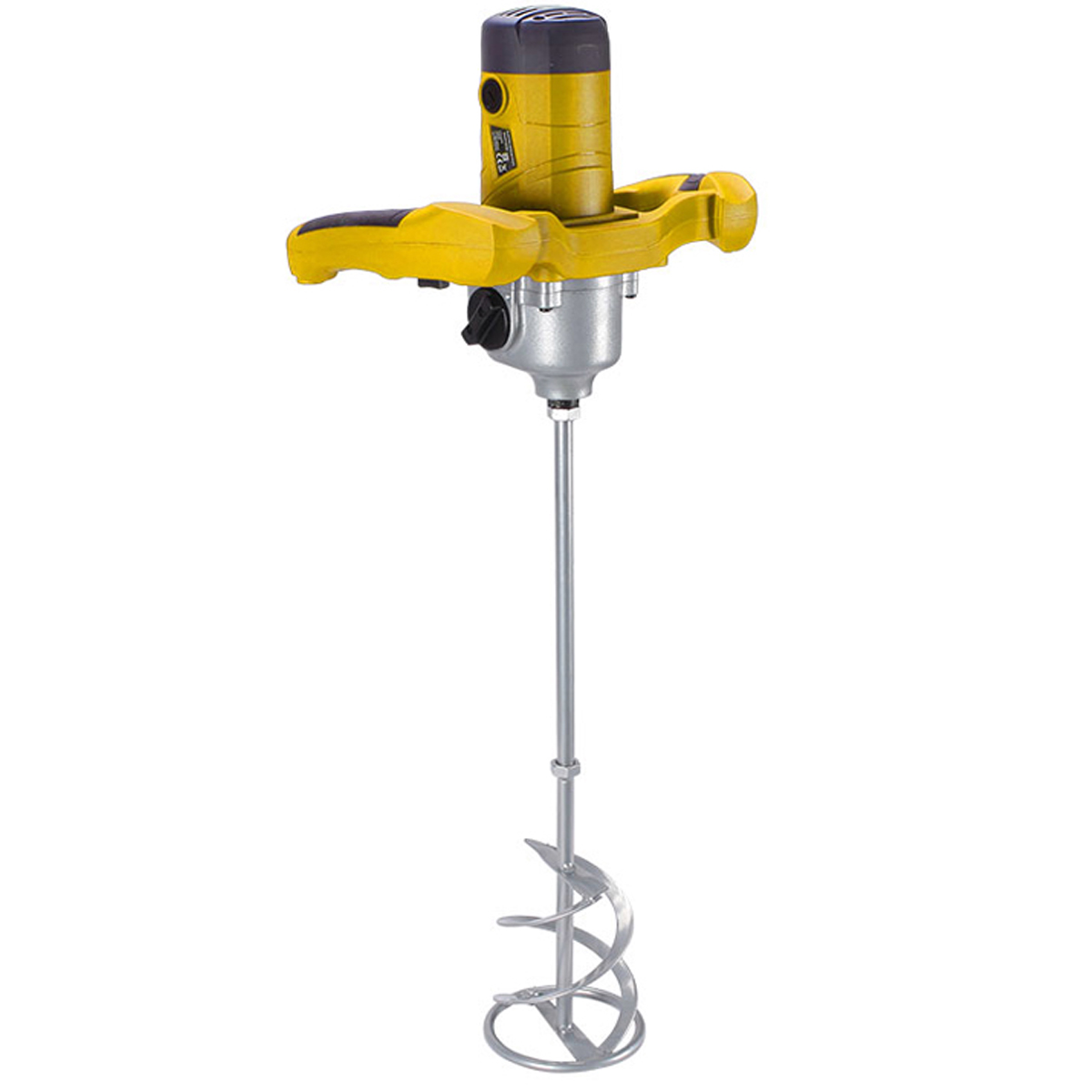
Dry, Ready mix plaster with NO LIME for interior and exterior use.It conforms to European Standards ΕΝ998-1 & ΕΝ998-2 specifications.AdvantagesReady for applicationReplace traditional plastersStable standardized propertiesExcellent workabilityHigh Adherence and resistanceProduct Identity Appearance: Grey cement-based powder Packaging: 25 kg bags Storage: 8 months in the original packaging and in a dry place Particle size: 0-2.5 mm Application Data Mixing Ratio: 25kg in 6-8L water Pot life: 1 hour at 23ºC and 50% RH Thickness: 25-30mm/coat Consumption: – Plastering: 8-10 kg/m² depending on use and surface. – Brick Laying: 6-7 kg/ m² for 10cm masonry 20 kg/ m² for 20cm masonry Application temperature: +5 ºC – +35 ºCPlastering Allow 3-4 weeks after brick laying before plastering. Apply the 2nd hand at least one day after the 1st hand application. Apply the plaster on the prepared surface by spraying it or manually with a plastering trowel at a thickness between 10 and 30 mm in one layer. If more thickness is required, the application should be done in two layers. The 1st layer should be roughened then cured. Protect the newly applied plaster from sunshine and wind. The new plaster has to be cured with water for at least three days by spraying 3 to 4 times daily. Brick or block laying Bricks or blocks must be free of dust, at a temperature of +15 ºC -+25 ºC. PITTAKIS CEM is similar in application to conventional mortars. Joints between bricks should not exceed 10mm. Substrates Preparation The substrate must be solid, free of dust, loose parts and oils. To avoid immediate absorption of mix water by the substrate and for better adhesion saturate the surface to provide a saturated surface dry condition. Preparing the mix Pour the material into clean water and mix (mix in a concrete machine for big quantities or with a low speed electric mixer for small quantities) until a homogeneous lump free mix is obtained. Allow mixture settle for 5 minutes prior the application. Attention! Additional water will make your mixture sloppy and may cause negative results on final strength. Use the mixture when is still fresh. Do not leave the mix unmixed for a long time. Do not mix with water or latex additive when the mixture starts to set in the bucket. In such case the mix should be dropped.
Ready to use, Thixotropic, Fiber Reinforced, one-component repair cement, WITHOUT LIME. It is classified as a repair mortar of category R4, based on EN 1504-3.PROPERTIESDirect application without the need for an adhesion reinforcement layer.Excellent adhesionIt does not shrinkExcellent mechanical strengthReduced water permeabilityAPPLICATIONSIdeal for repairing concrete and other structural elements subject to high voltages as well as for smoothing loose or damaged concrete surface layers.